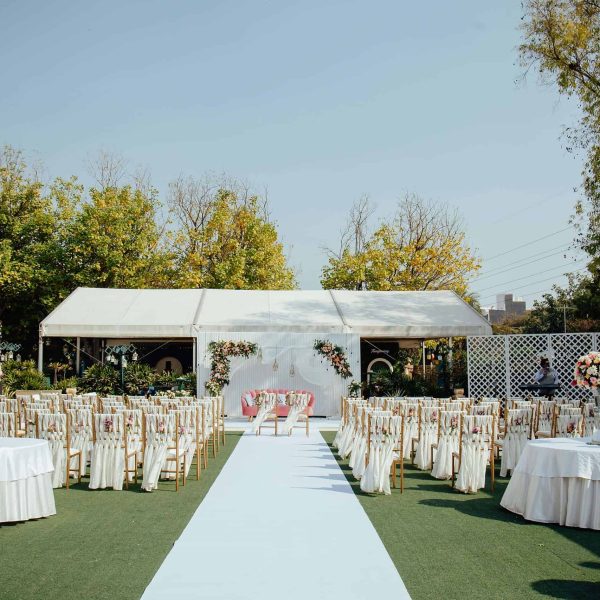
Hosting a wedding, rehearsal dinner, family reunion, or corporate retreat at a cottage or private estate is magical — especially in Muskoka. But beautiful scenery doesn’t remove the logistics. This cottage event planning guide will walk you through the essentials: permits, neighbours, food and safety, insurance, and logistics — so guests remember the experience, not the headaches.
1. Start with local rules & permits
Before you send invites, check local rules. Many townships in Muskoka have a special events permit process that outlines when an event needs formal approval, what documentation is required, and how to apply. If you’re planning anything larger than a small family gathering, a permit application is often required — especially when you’ll use roadways, temporary structures, parking fields, or amplified sound.
If you plan to serve or sell alcohol and the event is not strictly at a private residence, you may need to apply for a Special Occasion Permit. The provincial Alcohol & Gaming Commission explains when permits are required and how to apply.
2. Be neighbour-aware: noise and timing
Waterfront cottages and quiet country estates are prized for their peace. Most Muskoka municipalities enforce noise bylaws — for example, amplified sound restrictions between late evening and early morning — so set music cut-off times and notify neighbours in advance to avoid complaints or enforcement visits. Being proactive prevents awkward confrontations and potential fines.
3. Food & public health considerations
If you’re hiring caterers or having food vendors at your event, know that public health units have rules for food at special events (food handling, certified handlers, and notification requirements). Some health units require event organizers to submit a special-event notification in advance. Make sure your caterer carries the right certifications and that you follow local food-safety guidance.
4. Insurance — don’t skip it
Even small property damage or a guest injury can become expensive. Event liability insurance (including liquor liability if alcohol is served) is affordable and often required by municipalities for special-event permits. Shop around with event-specialty brokers so the policy matches your event size and risk profile.
5. Safety plan & emergency access
Create a short safety plan: designate emergency exits, keep access for emergency vehicles clear, collect emergency contacts, and decide on a point person. For outdoor or larger events, a written safety checklist (weather contingencies, fire safety near barbecues and torches, and first-aid provisions) is a must. Government and occupational health sites offer handy checklists you can adapt.
6. Sanitation, parking & waste
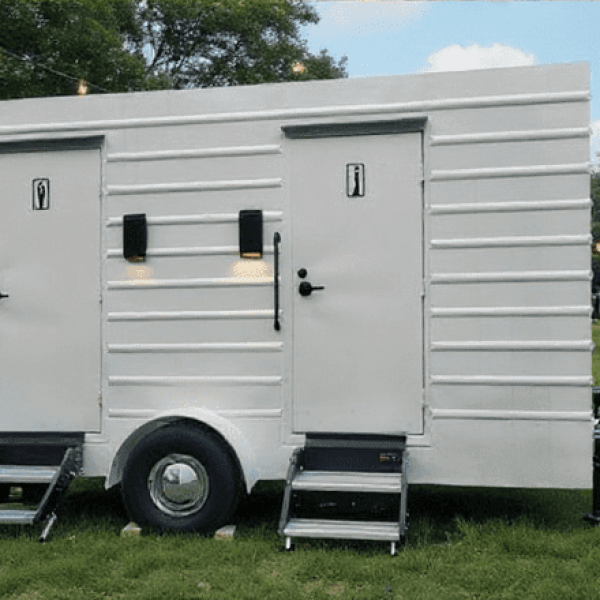
Plan for portable luxury toilets (if indoor bathrooms won’t handle volume), waste stations, and a clear parking layout (shuttle service from a nearby lot reduces on-site congestion). Confirm septic limits if the site is on a private system — overuse can create backups and environmental concerns. If you’re renting amenities (generators, portables, heaters), confirm delivery access and placement in the permit application, you can refer to our FAQ to answer these common questions.
Transportation & Neighbours
Map out preferred arrival/departure routes and communicate them to guests. If noise or parking could affect neighbours, offer them advance notice and a contact person for the event — small gestures go a long way in cottage country.
8. Weather & plan B
Weather in cottage country can change quickly. Have backup options: tents with proper anchoring, indoor overflow spaces, or contingency dates/communication templates for guests. A short “what to bring” note on the invite (bug spray, flat shoes for lawn) reduces last-minute issues.
9. Sustainability & local partnerships
Consider local vendors (caterers, florists, rentals). Using regional suppliers reduces logistics, supports local business, and gives your event a more authentic Muskoka feel. Encourage low-waste practices: compost bins, reusable signage, and donation of any leftover food.
Quick Event Cottage Event Planning Guide – Checklist
Hosting an event at a cottage or private estate can be truly unforgettable when it’s planned with intention and local insight. From permits and neighbour considerations to food safety, insurance, and on-site logistics, a proactive approach helps ensure everything runs smoothly on the big day. If you’re beginning the planning process, this guide to starting an outdoor event in 2026 is designed to help hosts feel confident, prepared, and stress-free—so they can focus on creating meaningful moments in a beautiful setting guests will remember long after the event ends.